Share
Infusing climate change lessons into curriculum
 ‌ ‌ ‌ ‌ ‌ ‌ ‌ ‌ ‌ ‌ ‌ ‌ ‌ ‌ ‌ ‌ ‌ ‌ ‌ ‌ ‌ ‌ ‌ ‌ ‌ ‌ ‌ ‌ ‌ ‌ ‌ ‌ ‌ ‌ ‌ ‌ ‌ ‌ ‌ ‌ ‌ ‌ ‌ ‌ ‌ ‌ ‌ ‌ ‌ ‌ ‌ ‌ ‌ ‌ ‌ ‌ ‌ ‌ ‌ ‌ ‌ ‌ ‌ ‌ ‌ ‌ ‌ ‌ ‌ ‌ ‌ ‌ ‌ ‌ ‌ ‌ ‌ ‌ ‌ ‌ ‌ ‌ ‌ ‌ ‌ ‌ ‌ ‌ ‌ ‌ ‌ ‌ ‌ ‌ ‌ ‌ ‌ ‌ ‌ ‌ ‌ ‌ ‌ ‌ ‌ ‌ ‌ ‌ ‌ ‌ ‌ ‌ ‌ ‌ ‌ ‌ ‌ ‌ ‌ ‌ ‌ ‌ ‌ ‌ ‌ ‌

View in browser

Climate and Education

A newsletter from The Hechinger Report

Needed education reporting — thanks to readers like you. Donate today.

When my colleague Olivia Sanchez mentioned to me that she’d met a professor who was “climatizing” her English curriculum, I was intrigued. While I’ve written about how classes in fields as diverse as the arts, social studies and even P.E. are embracing climate content, I wasn’t familiar with the term “climatize” and was curious about how a professor sets out to infuse her curriculum with lessons on climate change. In this week’s newsletter, Olivia introduces us to that professor, Holly Bailey-Hofmann, as well as others who are climatizing their courses.

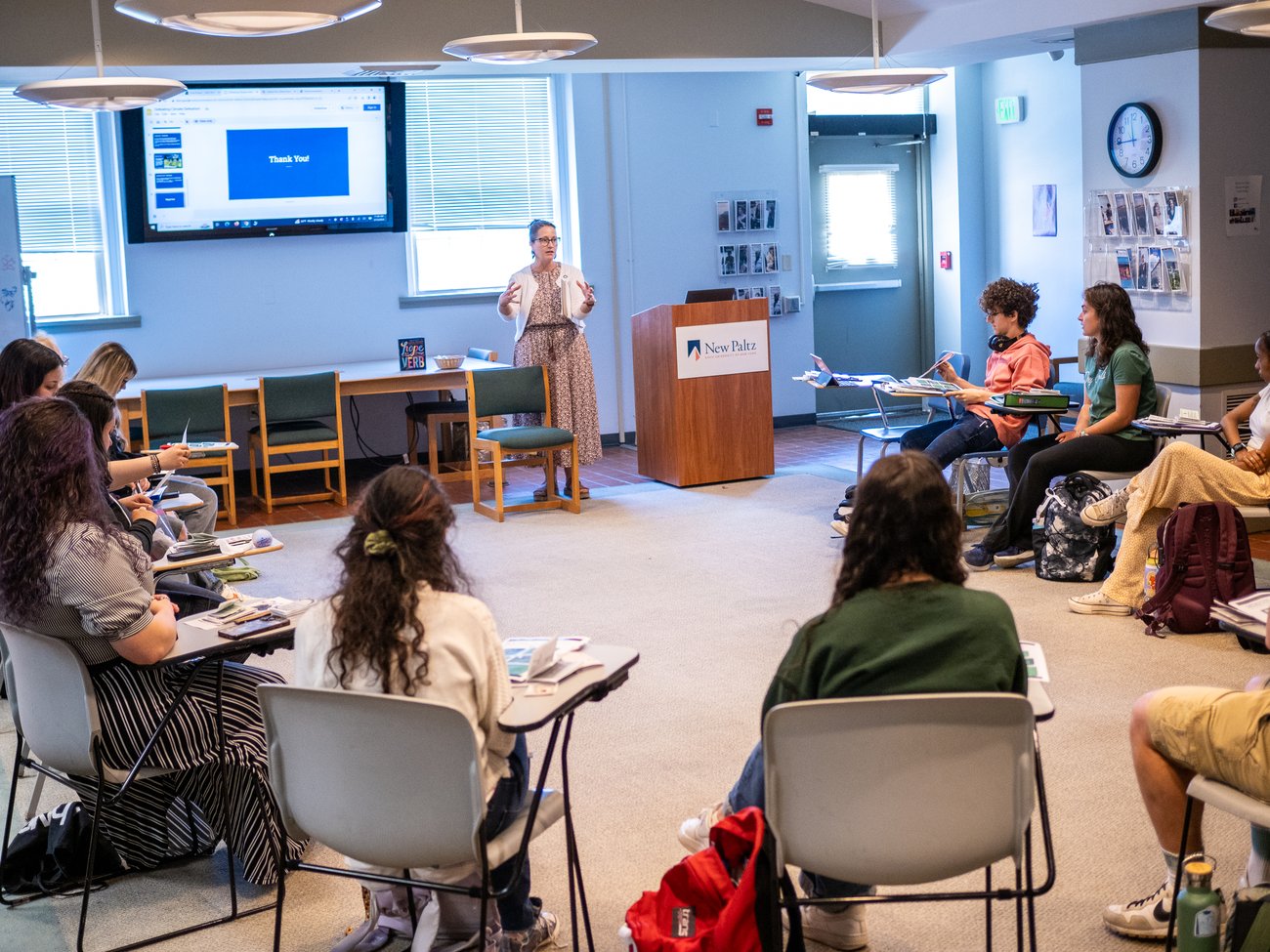
Andrea Varga, an associate professor of theater at State University New York New Paltz, teaches students about the climate consequences of the global fashion industry and how they can promote more sustainable practices. Yunuen Bonaparte for The Hechinger Report

The big story

About four years ago, Holly Bailey-Hofmann’s English 101 class at West Los Angeles College got a complete makeover. She’d signed up to be part of a pilot program for professors interested in infusing their curriculum with lessons about climate change and community resilience. The program only required her to “climatize” one module of the syllabus, but she loved the work so much she overhauled the whole class. 


The goal for her students remained the same pre- and post-makeover: learning to write effectively and conduct academic research. Now, though, she teaches reading, writing and research by assigning research studies and nonfiction essays about climate change — including pieces about how social norms are often a barrier to addressing climate change, how climate change affects mental health, and how abnormally hot days could affect cognitive skills. She’s found her students love it. 


“We just want to do right by our students. We want to give them the climate literacy they’re going to need later in their lives,” Bailey-Hofmann said. 


The pilot program was run by WLAC’s California Center for Climate Change Education, which was established by the state legislature in 2022 to promote climate change education and infuse sustainability practices at nine Los Angeles-area colleges. Each year since then, roughly 15 WLAC professors have received a stipend from the center to study how climate change intersects with their field and redesign at least a portion of one class to reflect that. The program has since expanded to professors from the other eight colleges. 


The professors span disciplines including art, communication studies, biology, film production, chemistry, paralegal studies and child development, among others. Jo Tavares, director of the California Center for Climate Change Education, said that in the next few years, she hopes to create a virtual library that faculty statewide could draw on to understand how climate intersects with what they’re teaching, and update their courses.


Across the country, college leaders are trying to figure out how to best prepare their students for the consequences of climate change. Experts say all careers will in some way intersect with climate change, and that in order to be prepared for the job market, students need a basic understanding of climate science and its social implications. But, as I wrote in my story about the University of California San Diego’s new climate change course requirement, colleges are not necessarily saying that every student should sign up for Climate Change 101. 

Read more

What I'm reading


The group Ten Strands has a new data set exploring how schools across California are integrating environmental lessons into career and technical education. 


Vermont legislators introduced a bill to mandate the development of a climate change curriculum for K-12 schools, The Charlotte News reports


This month in New York, the Board of Regents are scheduled to vote on an amendment to require K-12 schools to teach students about climate change.  


The Environmental Protection Agency announced a “revamp” of the Clean School Bus program, Inside Climate News reports, which will translate into significantly less money for electric vehicles.  


A new brief from the Community College Research Center assesses the role of community colleges in preparing students for green jobs, which include not just roles such as wind turbine technician but also jobs like construction manager and electrical line worker. (Disclosure: CCRC is housed at Columbia University Teachers College, of which The Hechinger Report is an independent unit.)


Nearly 10,000 schools serving 3.36 million students are within a quarter mile of a site designated as environmentally hazardous by the EPA, according to a new study from researchers at Brown University.

Is this edition of the newsletter helpful?
➡️ Your feedback helps us keep this newsletter relevant to your interests. Share your thoughts with us directly.


Was this newsletter forwarded to you? 


Sign up

Invite others to sign up for our newsletters.

Donate

Copyright © 2026 The Hechinger Report, All rights reserved.

Click here to manage your newsletter preferences


Email Marketing by ActiveCampaign