Share
Speech,‌ occupational and other therapies pay off later,‌ study finds
 ‌ ‌ ‌ ‌ ‌ ‌ ‌ ‌ ‌ ‌ ‌ ‌ ‌ ‌ ‌ ‌ ‌ ‌ ‌ ‌ ‌ ‌ ‌ ‌ ‌ ‌ ‌ ‌ ‌ ‌ ‌ ‌ ‌ ‌ ‌ ‌ ‌ ‌ ‌ ‌ ‌ ‌ ‌ ‌ ‌ ‌ ‌ ‌ ‌ ‌ ‌ ‌ ‌ ‌ ‌ ‌ ‌ ‌ ‌ ‌ ‌ ‌ ‌ ‌ ‌ ‌ ‌ ‌ ‌ ‌ ‌ ‌ ‌ ‌ ‌ ‌ ‌ ‌ ‌ ‌ ‌ ‌ ‌ ‌ ‌ ‌ ‌ ‌ ‌ ‌ ‌ ‌ ‌ ‌ ‌ ‌ ‌ ‌ ‌ ‌ ‌ ‌ ‌ ‌ ‌ ‌ ‌ ‌ ‌ ‌ ‌ ‌ ‌ ‌ ‌ ‌ ‌ ‌ ‌ ‌ ‌ ‌ ‌ ‌ ‌ ‌

View in browser

Early Childhood

A newsletter from The Hechinger Report

NAEYC

This week’s newsletter is brought to you by contributing editor Sarah Carr. I’ll be back in your inbox in a few weeks! — Jackie Mader

The Hechinger Report is hosting a webinar about the growing movement to curb screen time and technology use in the early grades. The event will be at 3:30 p.m. ET April 23. Registration is required. The webinar will be recorded for those who register to attend.


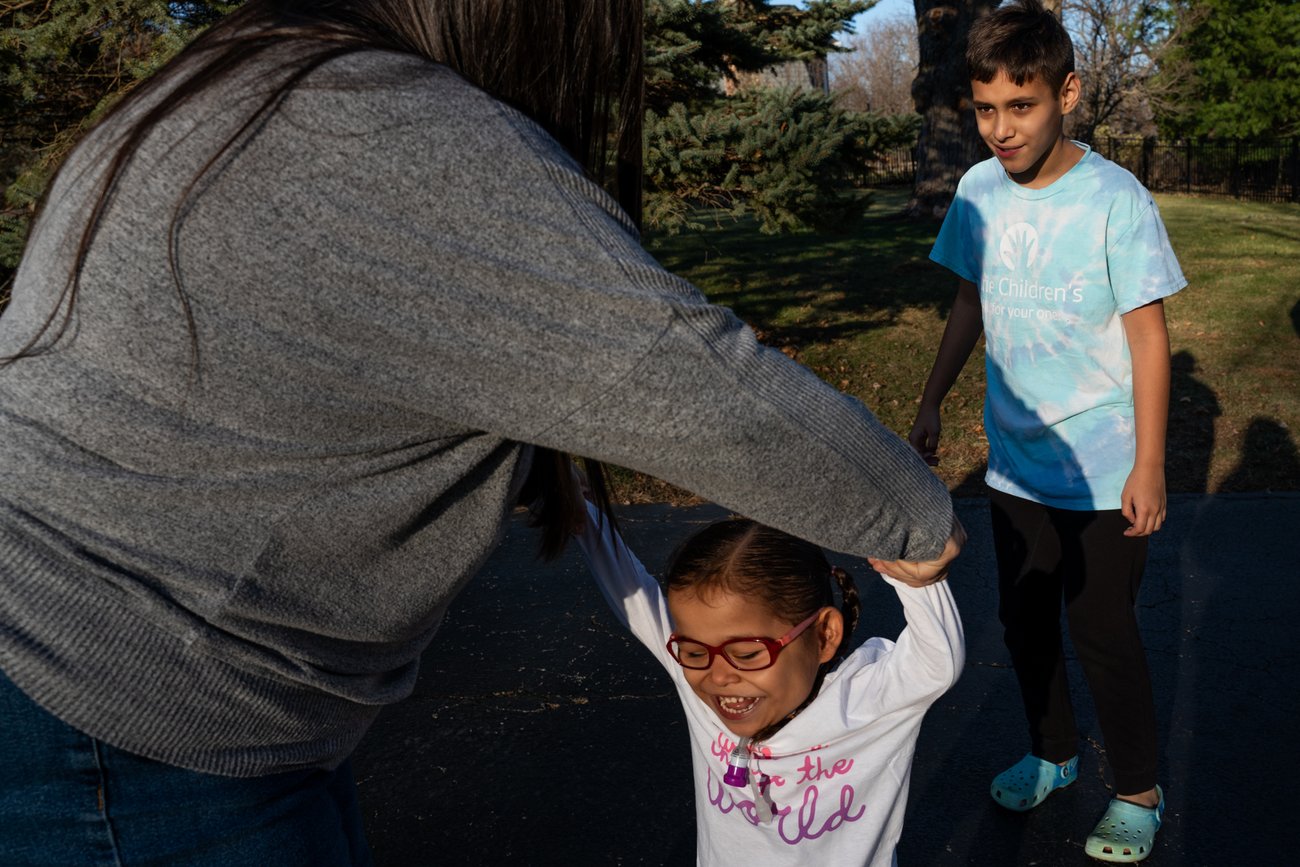
Jaclyn Vasquez plays outdoors with her children on a fall weekend afternoon. She credits physical therapy, speech therapy and other early interventions for her daughter’s success in elementary school.  Credit: Camilla Forte/The Hechinger Report

A first-of-its-kind study has found that early intervention services — which can include occupational, physical and speech therapies, among others — improve children’s test scores, even years down the road. 


The study, conducted jointly by researchers at the Columbia University Mailman School of Public Health and the New York City Health Department, showed that children who received the services between birth and age 3 outperformed similar peers on third grade reading and math tests.


Early intervention services are intended for children with disabilities, developmental delays or those who are at risk of them, such as children who are born severely premature. Federal law mandates such services, but states design their own programs and set their own funding levels.

I was especially interested in these findings after reporting several stories on early intervention, including one on racial disparities in access to services and another on the broken pipeline from the neonatal intensive care unit to receiving the crucial therapies.


Countless parents have described to me the pivotal role that early intervention played for their children. Jaclyn Vasquez, a Chicago mother, credits the timely start of more than a half-dozen therapies with her daughter’s thriving years later in elementary school. 


“I was told my child would need a wheelchair by kindergarten,” Vasquez told me. “She is running, dancing, chasing siblings, dancing on trampolines — all because of the amount of time we poured into therapies at a very young age.”


This week's newsletter is sponsored by: 

NAEYC

For 100 years, NAEYC has shaped early childhood education and set the standard for high‑quality early learning. Join during our Centennial year to connect with a national community and access research, professional learning, and trusted resources that support your work with young children.


Join NAEYC


Yet I have been surprised at how challenging it has been to find research on early intervention’s long-term effects, particularly when it comes to performance in school. “There is very little out there,” said Jeanette Stingone, an assistant professor of epidemiology at Mailman School of Public Health and one of the study’s authors. 


Several studies have shown crucial developmental gains in speech and other areas after children receive early intervention therapies. But what makes the new study unusual is that it tracked children for several years, and it included a comparison group that did not receive early intervention.


Stingone said that researchers at the Health Department started building a data set two decades ago that would allow them to assess the effects of early intervention services in New York City. In the end, the researchers focused on babies who were born in the city between 1994 and 1998 — a group of more than 200,000 children. Of those, roughly 13,000 received early intervention services. 


Drawing from the full pool of more than 200,000, the team was able to compare the third grade test scores of the kids who received the services with those of similar children — based on more than 20 factors, including race, disability status, neighborhood, socioeconomic level, mother’s education level and insurance status — who did not. 


“The findings … suggest that EI services for children younger than 3 years with moderate to severe developmental delays or disabilities had tangible academic benefits later in childhood,” the authors wrote in the study, published in JAMA Network Open in February.


The findings held across socioeconomic groups: Wealthier children who received early intervention, for instance, outperformed similar higher-income peers who did not. And they were particularly pronounced when it came to children who required special education services in school, suggesting that early intervention sets children with disabilities on a stronger path from day one.


The team hopes that their model of linking health and education data over decades can be used by other cities and communities hoping to conduct similar analyses.

More on early intervention

While the new JAMA study confirms early intervention’s beneficial effects for New York City children, the state's system is under immense strain. In a story I wrote for The 74 last fall, I found that early intervention providers in New York haven’t received a real raise in more than 30 years. That has led to an exodus of therapists in some communities and has caused some families to miss out on services entirely.

Research quick take

Children who engaged in three crucial daily habits as toddlers were far more likely a decade later to be physically active, according to a new study that followed nearly 1,700 Canadian children born in 1997 and 1998. The research, conducted primarily at the University of Montreal, examined how much time 2-1/2-year-olds spent playing actively with a parent, sleeping and viewing screens. Those who played with a parent every day, got 11 or more hours of sleep and spent less than an hour on screens daily were far more likely to be physically active as 12-year-olds. 

Become a sponsor

More early childhood news

The opening of a free preschool center in one of Manhattan’s wealthiest neighborhoods has some skeptics wondering if Mayor Zohran Mamdani’s universal child care program should extend to families who can afford $34 hamburgers, reported Eliza Shapiro for The New York Times. 


Vermont may take the unusual step of creating a required individual licensing program for child care workers, wrote Theo Wells-Spackman for VTDigger.

Is this edition of the newsletter helpful?

➡️ Your feedback helps us keep this newsletter relevant to your interests. Share your thoughts with us directly.

Invite others to sign up for our newsletters.

Donate

Copyright © 2026 The Hechinger Report, All rights reserved.

Click here to manage your newsletter preferences


Email Marketing by ActiveCampaign